Measure What Matters

What We Measure

Fish Forever collects data through a combination of household and community surveys, fisheries catch records, and ecological assessments — gathered with the support of trained local teams using digital tools to ensure accuracy and consistency across regions.

Our Approach

Framework Principles

Evidence-Based

Every indicator is grounded in scientific research and field-validated metrics

Locally Relevant

Adapted to diverse cultural, ecological, and governance contexts

Adaptive

Continuous monitoring enables real-time adjustments and learning

Holistic Approach

Integrates social, economic, and ecological dimensions of coastal resilience

A Decade-Long Vision for Ocean Conservation

The Fish Forever Impact Framework provides both a 10-year strategic vision and a practical roadmap for delivering transformative conservation outcomes in coastal communities worldwide. Unlike traditional conservation approaches that focus solely on ecological metrics, our framework recognizes that lasting ocean health depends on thriving human communities with the capacity, rights, and economic security to steward their marine resources.

By measuring change across 3 Impact Areas, 6 Resilience Factors, and 24 quantifiable Indicators, we track progress from individual fishing villages to the entire Fish Forever program globally.
Conservation Domains

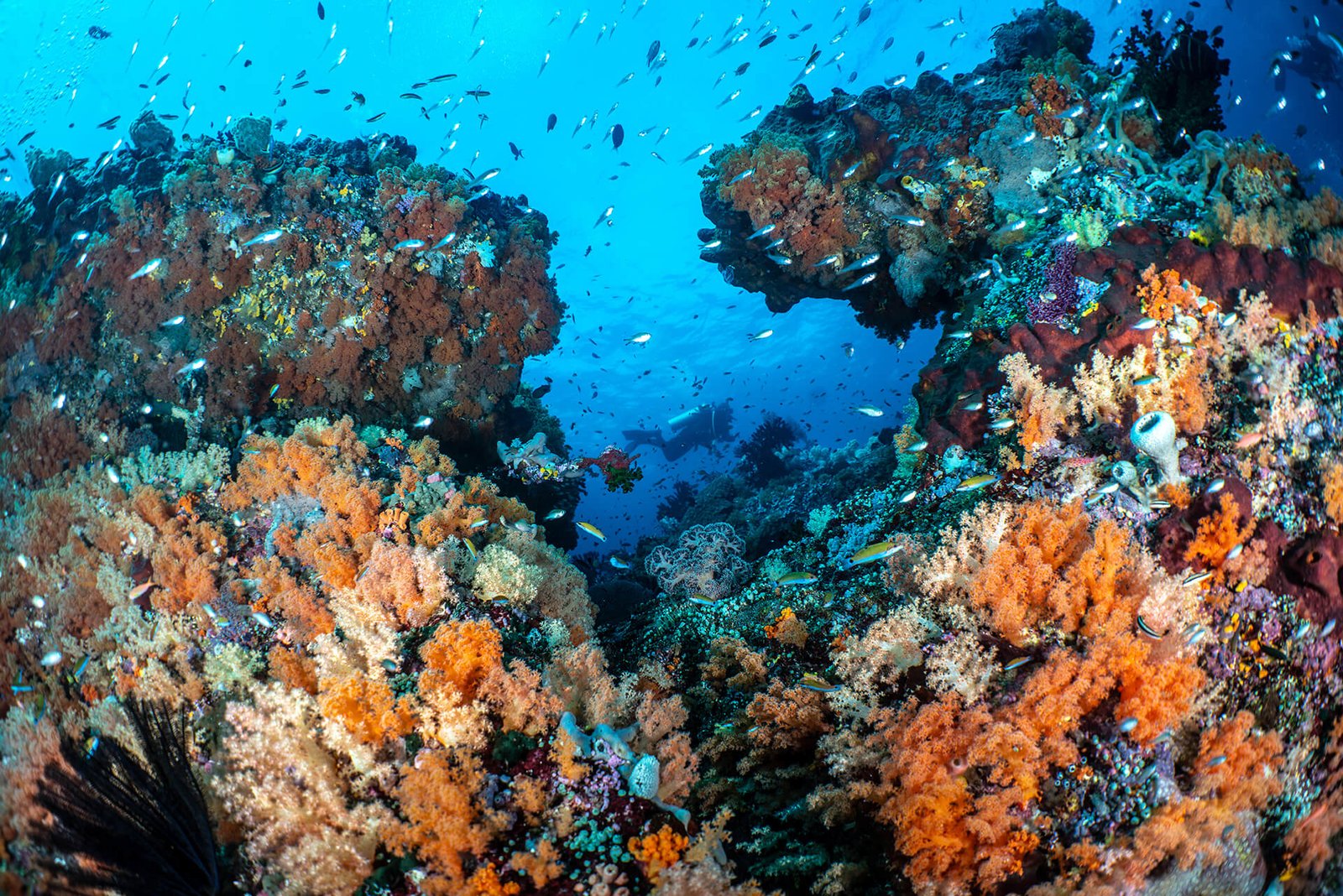
Three Impact Areas

Our framework organizes conservation work across three interconnected domains, each essential to long-term coastal resilience

Policy & Governance

Establishing effective governance frameworks and policy mechanisms that enable sustainable coastal resource management at local, regional, and national scales.

Socio-Economic Resilience

Building the economic and social capacity of coastal communities to thrive while protecting marine ecosystems, ensuring food security, and adapting to environmental changes.

Nature & Biodiversity

Conserving and restoring coastal biodiversity, ecosystem services, and marine habitat health through science-based management and community-led conservation.

Measurement Framework

Six Resilience Factors

Each resilience factor represents a critical dimension of coastal community health, measured through specific indicators and real-world outcomes
Policy

Coastal Fishery Policy & Governance

Developing and implementing effective legal and regulatory frameworks that support sustainable coastal fisheries management.

Key Components

  • National and local policy frameworks
  • Legal recognition of community rights
  • Enforcement mechanisms
  • Multi-stakeholder governance platforms

Real-World Impact

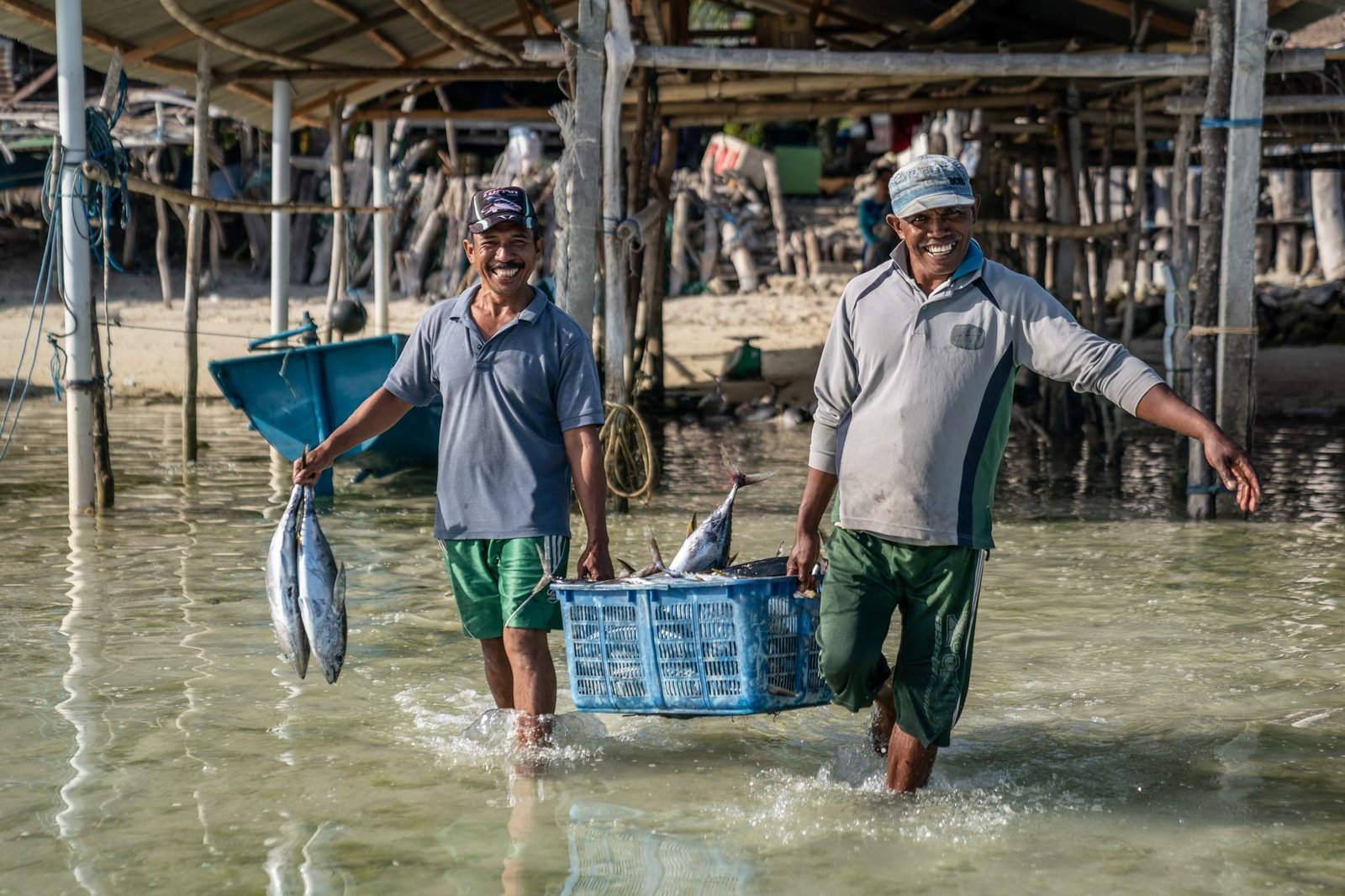
In the Philippines, 78% of Fish Forever sites now have legally recognized Managed Access Areas, giving communities the authority to manage their waters.

Policy

Effective Coastal Fishery Co-Management

Fostering collaborative partnerships between government, communities, and stakeholders to jointly manage marine resources.

Key Components

  • Management body formation and capacity
  • Participatory decision-making
  • Fisher registration and compliance
  • Data-driven adaptive management

Real-World Impact

Over 150 community management bodies have been established, with 85% actively using catch data to inform fishing regulations.

Socio-Economic

Adaptive Capacity to Climate Change

Building the ability of coastal communities to anticipate, prepare for, and respond to climate change impacts on marine ecosystems.

Key Components

  • Climate risk assessment and planning
  • Ecosystem-based adaptation
  • Early warning systems
  • Disaster preparedness and recovery

Real-World Impact

45 coastal communities have developed climate adaptation plans, incorporating mangrove restoration and coral reef protection strategies.

Socio-Economic

Capacity for Collective Action

Strengthening social cohesion and the ability of communities to organize, collaborate, and take unified action for shared goals.

Key Components

  • Social capital and trust-building
  • Community organization and leadership
  • Conflict resolution mechanisms
  • Collaborative networks

Real-World Impact

Community trust scores have increased by 40% on average, with 90% of sites reporting regular collective decision-making meetings.

Socio-Economic

Sustainable Livelihoods & Food Security

Promoting economic diversification and resilience to reduce dependence on marine resources while ensuring nutritional security.

Key Components

  • Alternative livelihood development
  • Value chain strengthening
  • Financial inclusion and savings
  • Food security monitoring

Real-World Impact

200+ alternative livelihood programs launched, benefiting 8,000+ households while reducing fishing pressure by 25%.

Nature

Coastal Biodiversity & Ecosystem Services

Conserving marine biodiversity and maintaining the ecosystem services that sustain both nature and people.

Key Components

  • Habitat protection and restoration
  • Species population monitoring
  • Sustainable harvest practices
  • Marine protected area management

Real-World Impact

Fish biomass has increased by 60% in managed areas, with juvenile recruitment up 45%, signaling ecosystem recovery.

Implementation

How the Framework Works

1

Data Collection

Communities and field teams collect standardized data across 24 indicators using mobile apps and surveys

2

Analysis & Scoring

Data is aggregated and scored using quartile-based system, providing clear benchmarks for progress

3

Adaptive Action

Results inform strategic decisions, resource allocation, and targeted interventions at all program levels